A niche professional consulting client approached us with concerns about prospects growing cold due to a long sales cycle. To build relationships and stay connected with prospects, they sought a low-maintenance outreach strategy to engage contacts who had shown initial interest but weren’t yet ready to commit.
The answer? HubSpot sequences.
Follow Up With HubSpot Sequences
HubSpot sequences are a powerful, easy-to-use tool designed to automate outreach while keeping your communications personalized and effective. Sequences provide a structured way to maintain consistent contact, whether reaching out to potential clients, following up, or sending service reminders. For professional services, where building trust over time is crucial, this is especially valuable.
Relying only on email can lead to lower engagement, so adding phone calls or LinkedIn connections offers more chances to connect through different channels. This varied approach keeps your outreach human and adaptable, increasing the likelihood of capturing attention and moving prospects through the funnel.
Start with Personalized Emails
Emails are often the initial touchpoint in a HubSpot sequence, but they need to stand out to avoid being lost in the sea of inbox clutter. Personalization is key — address the prospect by name or use other personalization tokens when using an automated email template. A/B testing different subject lines can help you further optimize your email open rates.
Be sure to keep your emails short and to the point, especially the first few. Focus on delivering value immediately — whether it’s offering a relevant resource, a case study, or an insightful blog post that ties into their industry or pain points.
Incorporate Tailored Touches
After an initial automated email or two, consider including a manual follow-up in the sequence. This allows you to address specific questions, provide more tailored insights, or mention a mutual connection or industry trend.
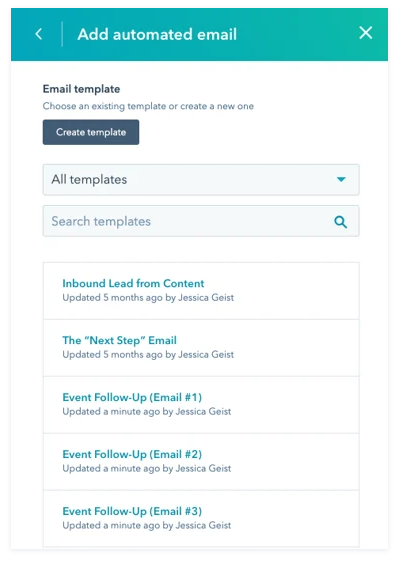
While automated emails keep you consistent, manual touches allow you to adapt based on the prospect’s behavior. For instance, if they opened previous emails but didn’t respond, you can trigger a follow-up email that references their interest.
Or, use the context of previous interactions. For instance, if they click on a particular link in your email, follow up with more details related to that specific interest. This not only adds value but also shows you’re paying attention to their needs.
If they’ve engaged on LinkedIn, you can prompt a manual call to further the relationship. These tailored follow-ups make your outreach feel more relevant and personal, increasing the likelihood of engagement and a meaningful connection. By using multiple, personalized touchpoints, you give your connections a fuller picture of who you are, increasing the likelihood they’ll want to work with you.
Integrate Phone Calls for a Personal Connection
Phone calls are an essential touchpoint, especially in professional services, where relationships are built on trust and personal connection. HubSpot sequences can schedule these call reminders to keep your team on track with follow-ups. A well-timed call can often break through the digital noise and establish a more direct connection with the prospect than an email can.
When making calls, be really dialed in. Be ready to offer real insights into the prospect’s needs. This means doing a bit of research before the call so you can address their specific pain points. Don’t just repeat what was said in emails — offer something new, like an invitation to a demo, a webinar, or a conversation with an existing client.
Leverage LinkedIn for Professional Networking
To make a strong impression, we suggest incorporating more than just email follow-ups into your sequence.
LinkedIn is a powerful tool for building relationships, especially in professional services. Adding LinkedIn connection requests or direct messages within your HubSpot sequence brings a human element to your outreach, and works slick for Sales Navigator users. Prospects are more likely to engage if they see your profile, especially when it includes shared connections, industry expertise, or content they find valuable.

Consider reaching out through LinkedIn by sending connection requests or engaging with relevant posts. It shows potential contacts that you’re actively involved and eager to connect. If you think someone could provide valuable insight, send them a personalized message — social media often offers a more accessible way to communicate than traditional channels.
When sending a LinkedIn connection, always include a personalized message. Mention how your services align with their business or highlight a shared industry interest. This shows that you’re not just cold-pitching (a sure turn-off) but are genuinely interested in building a professional relationship.
Measure and Adjust Using A/B Testing
While sequences can take a ton of low-value tasks off your daily to-do list, they are not a “set it and forget it” tool. Be ready and willing to see what the data tells you – and to make adjustments.
HubSpot makes it easy (with Pro or Enterprise) to A/B test emails in sequences, but you can extend testing to different touchpoints as well. Experiment with the timing of your follow-ups (e.g., does a LinkedIn message after the second email work better than after the first?) and the frequency of different types of touches. Over time, you’ll see patterns in what works best for engaging your prospects.
Consistently review the results of your sequences, and don’t be afraid to tweak them based on data. For example, if you notice that LinkedIn messages are getting more responses than calls for certain prospects, adjust your sequence accordingly.
Persistence Without Overwhelm
Follow-ups are a necessary part of the sales or outreach process but they can be time-consuming and often don’t offer a lot of immediate payoff. Sequences allow you to automate and manage them in a way that ensures timely, consistent communication without overwhelming your prospect. The goal is to stay top-of-mind by maintaining regular contact while striking the right balance between being persistent and not coming across as pushy.
HubSpot allows you to space out your follow-up touches to avoid bombarding the recipient with too many emails or messages in a short time. To help maintain balance, remember these best practices:
- Set appropriate time intervals: Space your outreach efforts a few days or even weeks or months apart, depending on your sales cycle, to avoid annoying your prospect.
- Mix up the communication methods: Don’t rely solely on email — integrate calls, LinkedIn connection requests or InMail messages into your sequence to diversify your outreach.
- Add value to every interaction: Each follow-up should offer something new or useful. Whether it’s a resource, a case study, or a reminder about an event, ensure every touchpoint provides value and moves the conversation forward.
- End with clear CTAs: Every touchpoint should include a clear and gentle call to action. This can be as simple as asking if they have any questions, scheduling a quick call, or offering more information on your services.
By using HubSpot sequences to automate and personalize your follow-up strategy, you can ensure that prospects are nurtured in a timely and thoughtful manner, without having your sales team being seen as pests. This keeps your pipeline healthy and your outreach productive.
Final Thoughts
Using varied touchpoints in HubSpot sequences creates a well-rounded outreach strategy. By diversifying your communication methods and combining automated efficiency with personalized touches, you’re more likely to capture and hold your prospect’s attention, move them through the sales funnel, and ultimately convert them into clients.
The key to success is balance: leverage automation to stay consistent, but don’t forget the human element that professional services depend on. Testing and refining your approach will ensure that you’re always optimizing for the best results. Use best practices to avoid bombarding your prospect with too many or low-value interactions.
Curious to learn more about using sequences or other ways to amp up your sales outreach? Get in touch with us today; we’d love to start a conversation.